
Nutrition Habits That Make the Difference
The right nutrition habits beat any strict diet. Here are the simple, sustainable ones I give clients around protein, calories and meal timing.
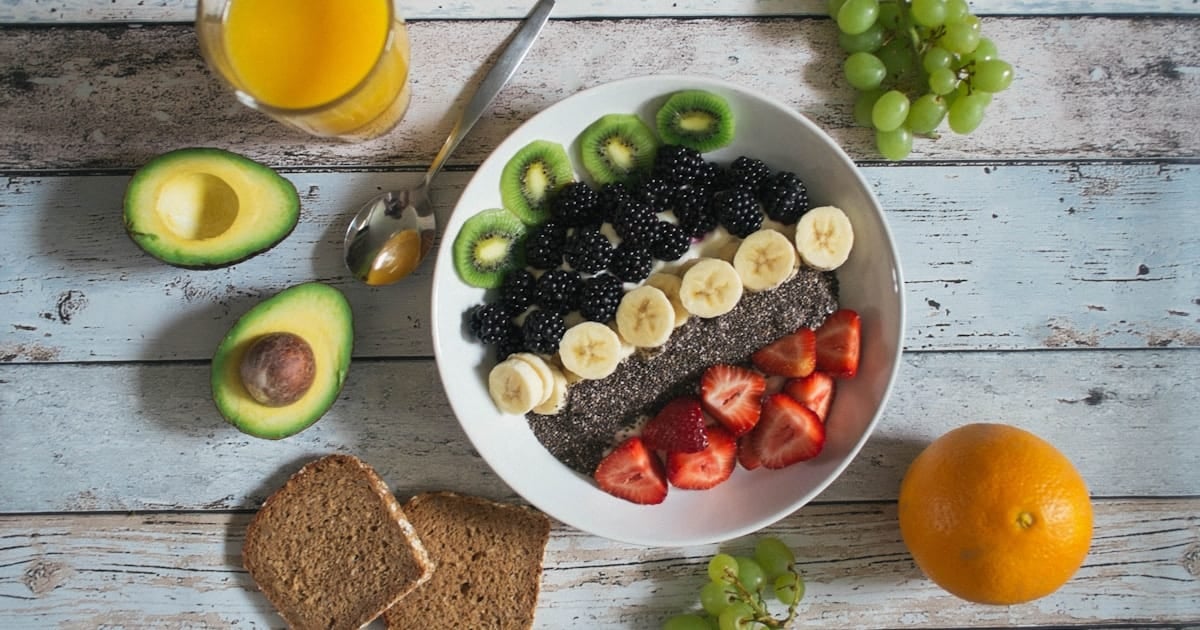
Why nutrition habits beat any diet
If I had to name the single biggest reason people fail with their bodies, it is chasing perfect diets instead of building solid nutrition habits. Diets have an end date. Habits do not. In my work with clients, the ones who get lasting results are almost never the ones who followed the strictest plan, they are the ones who changed a handful of daily habits and then kept them for good.
A habit is something you do without needing motivation. That is the whole point. When eating well becomes your default rather than a daily battle of willpower, the results stop being fragile. So instead of handing people a rigid menu, I focus on a small set of habits that quietly do most of the work.
Habit one: get enough protein
Protein is the habit I build first, because it does the most for the least effort. It keeps you full, it protects your muscle when you are losing fat, and it helps you build muscle when you are training. Most people I meet simply do not eat enough of it.
How to make protein a habit
- Anchor every meal with a protein source. Eggs, chicken, fish, lean meat, dairy, legumes. If a meal has no protein, add some.
- Start the day with it. A protein-rich breakfast reduces cravings later far more than a sugary one.
- Keep easy options on hand. Greek yogurt, cottage cheese, tinned fish or a simple protein shake make the habit effortless on busy days.
You do not need to weigh every gram. Getting a solid protein source into each meal already puts you ahead of most people.
Habit two: understand calories without obsessing
Fat loss and gain come down to energy balance: whether you take in more or less than you burn over time. You do not have to count every calorie forever, but you do need a rough sense of it. The habits that control calories without a spreadsheet are simple.
- Build meals around protein and vegetables so you feel full on fewer calories.
- Be honest about the "extras" that add up quietly: drinks, sauces, nibbling while cooking, second helpings.
- Watch liquid calories. Sugary drinks and large coffees can hide a big chunk of your daily intake.
The goal is awareness, not obsession. When you understand where your calories actually come from, small adjustments do the job without misery.
Habit three: cut through meal timing myths
A lot of people waste energy worrying about the wrong details. Let me clear up the common meal-timing myths I hear every week.
The myths
- "Eating after 6pm makes you fat." It does not. Total intake over the day and week is what matters, not the clock.
- "You must eat six small meals to boost metabolism." Meal frequency barely moves the needle. Eat in a pattern that fits your life.
- "Skipping breakfast ruins your results." It does not, as long as your overall intake and protein are handled. Some people thrive on it, some do not.
Timing matters a little for training performance and for how full you feel, but it is a fine-tuning detail. If your protein, calories and food quality are sorted, the exact timing is yours to arrange around your day.
Habit four: make the easy choice the default
Most eating decisions are made by your environment, not your discipline. So I change the environment.
- Keep good food visible and junk out of sight, or out of the house entirely.
- Prep a little ahead. Cooking extra protein and having vegetables ready removes the moment where you cave and order takeaway.
- Have a go-to simple meal you can make in ten minutes on a bad day, so hunger never forces a poor choice.
These are small, unglamorous habits, but they are the ones that decide what actually ends up on your plate. I plan them the same way I plan training, because nutrition and training only work together. If you want the training side of that, read my piece on training tailored to you.
Habit five: aim for consistent, not perfect
The clients who succeed are not the ones who never eat a treat. They are the ones who eat well most of the time and do not panic over the rest. A single meal never made anyone fat, just like a single salad never made anyone lean. It is the pattern across weeks and months that shapes your body.
So I tell people to aim for "good enough, most days" rather than perfect. That mindset survives holidays, work stress and social events, which is exactly why it produces results that last. Perfection cracks under real life. Consistency does not.
Habit six: build a plate you can repeat
Most people who eat well do not decide every meal from scratch. They have a simple template they repeat with small variations. When I help someone with nutrition, we build a plate they can assemble almost anywhere, so eating well stops depending on inspiration.
The simple plate
- A protein source as the foundation of the meal: eggs, chicken, fish, lean meat, dairy or legumes.
- Plenty of vegetables for volume, fibre and fullness on fewer calories.
- A sensible carb portion sized to your activity and goal: rice, potatoes, bread, oats or fruit.
- A little healthy fat for flavour and satisfaction: olive oil, nuts, avocado.
Once this plate is your default, most of your nutrition runs on autopilot. You are not agonising over every choice, you are just adjusting portions of a template that already works. That is what makes it survive a busy week, and busy weeks are exactly when most diets fall apart.
Habit seven: drink smarter
Drinks are the quiet saboteur of a lot of otherwise decent diets. Sugary sodas, juices, sweetened coffees and alcohol can add a large number of calories that do nothing to fill you up. Swapping most of your drinks for water, coffee without the sugary extras, or unsweetened options is one of the easiest wins in all of nutrition. It requires no cooking, no counting and no willpower once it becomes a habit, yet for many people it removes hundreds of calories a day.
How to start today
Do not overhaul everything at once. Pick one habit from this article and do it for two weeks until it is automatic, then add the next. My order is usually protein first, then calorie awareness, then the environment tweaks. Stack them slowly and, within a couple of months, you have rebuilt how you eat without ever going on a "diet".
When I coach someone, I do not hand them a strict meal plan and hope. I help them build these habits around their real life, their tastes and their schedule, so the results hold long after the coaching. If that is the kind of approach you have been looking for, you can see how I work at tvojtrener.ba.
Training works best when it is built around you - your goals, your schedule and your current level. I have spent years coaching people in Sarajevo and online across Bosnia, helping them make a change that actually lasts. If you want a plan made specifically for you, see how I work and get in touch.
FAQ
- What is the most important nutrition habit for results?
- Getting enough protein at every meal. It keeps you full, protects muscle during fat loss and supports muscle growth while training, and most people simply do not eat enough of it.
- Do I have to count calories to lose fat?
- Not forever. You need a rough awareness of energy balance, but building meals around protein and vegetables and being honest about extras and liquid calories controls intake without obsessive counting.
- Does eating late at night make you gain fat?
- No. Total intake over the day and week is what drives fat gain or loss, not the clock. Meal timing is a minor fine-tuning detail once protein and calories are handled.
- How do I start changing my nutrition habits?
- Change one habit at a time. Start with protein at every meal, keep it for two weeks until it is automatic, then add calorie awareness and simple environment tweaks. Aim for consistent, not perfect.