
Personal Trainer in Sarajevo: What It Costs
Wondering what a personal trainer in Sarajevo costs? Here is what affects the price, how in-person compares to online, and how to choose well.
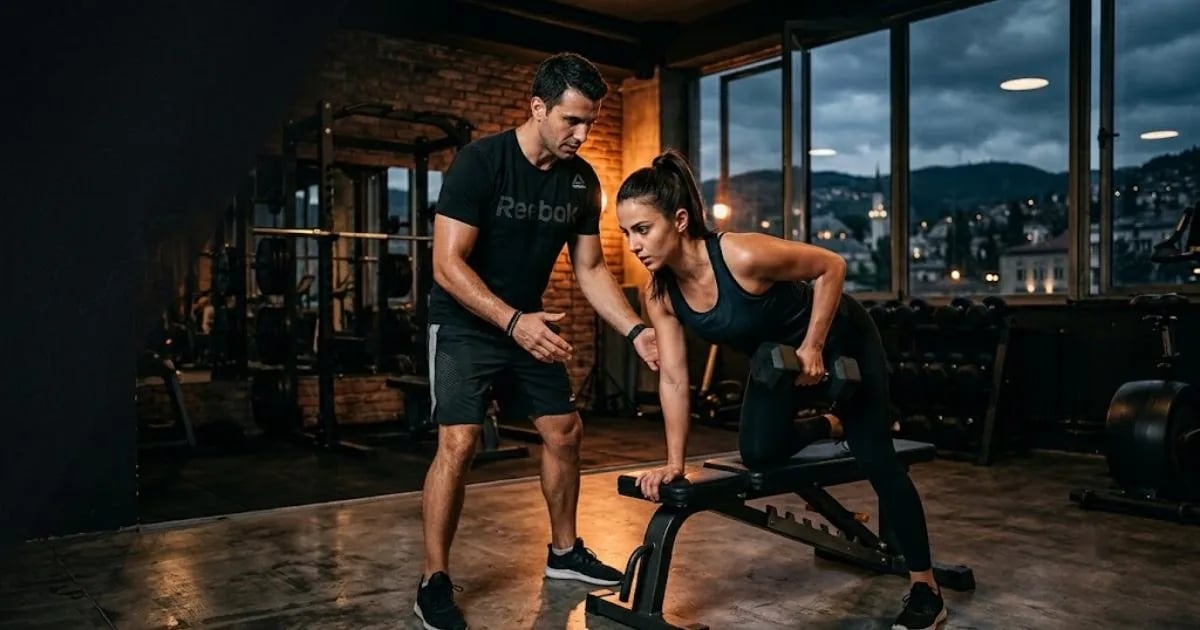
What a personal trainer in Sarajevo costs
One of the most common questions I get is simple: what does a personal trainer in Sarajevo actually cost? It is a fair question, and the honest answer is that there is no single price, because you are not buying a fixed product. You are buying a service that varies with experience, format and how much support you get. In this article I want to explain what drives the price so you can judge value rather than just compare numbers.
Price without context is meaningless. A cheap package that gives you a generic plan and no follow-up can cost you more in wasted months than a well-run program that actually gets you to your goal. So instead of quoting figures that go stale, let me walk you through what you are really paying for.
What affects the price
Several factors move the cost of coaching up or down. Understanding them helps you see why two trainers can charge very differently.
Experience and results
A trainer with years of experience and a track record of getting people results generally charges more than someone just starting out, and usually for good reason. Experience means fewer wasted sessions, smarter programming and the judgement to adjust when things stall. You are paying for the shortcut past mistakes you would otherwise make alone.
Format of the service
- One-on-one in-person sessions are the most hands-on and typically the highest cost per session, because you get the trainer's full attention and real-time coaching.
- Online coaching usually costs less per month while still giving you a tailored plan and ongoing support, because it uses the trainer's time more efficiently.
- Hybrid setups mix occasional in-person sessions with online guidance, landing somewhere in between.
How much support is included
A one-off plan costs less than ongoing coaching with regular check-ins, adjustments and messaging support. The more the trainer is actively steering your progress, the more the service is worth, and the more it reflects in the price.
In-person versus online in Sarajevo
A lot of people assume in-person is automatically better, but it depends on what you need. Both work well, they just suit different situations.
When in-person makes sense
If you are a complete beginner who needs hands-on help learning technique, or you know you need someone physically present to stay accountable, in-person sessions are worth the higher cost. Being coached through a lift in real time is valuable when the movements are new.
When online makes sense
If you already know your way around basic movements, have a busy schedule, or want quality coaching at a lower monthly cost, online works extremely well. You get a plan built around you, guidance on technique through video, and ongoing support, all without being tied to a fixed session time. I cover this in detail in my article on online coaching in Bosnia.
Cheap is not the same as good value
The biggest mistake I see people make is shopping on price alone. A very cheap package often means a copy-paste plan, no real assessment and no follow-up when you get stuck. That plan might cost little, but if it does not fit you and you quit in a month, it was expensive in the only currency that matters: your time and your progress.
Good value is a coach who assesses your real situation, builds a plan around you, and adjusts it as you go. When the coaching actually gets you to your goal, the cost per real result is low even if the sticker price is higher. Judge the whole outcome, not the price of a single session.
Think of it the way you would think about any real investment. If a slightly more expensive coach gets you to a body you are proud of and habits that last for years, the cost per lasting result is tiny. If a cheap package leaves you exactly where you started after a few months, you did not save money, you paid to stand still. The most expensive coaching in the world is the kind that does not work, no matter how little it costs on paper. That is the lens I would want anyone weighing up trainers to use.
How to choose the right trainer
Once you understand pricing, choosing well is mostly about fit. Here is what I would look for.
- Relevant experience. Has the trainer helped people with goals like yours, whether that is fat loss, muscle or a full transformation?
- An individual approach. Do they assess you and build around your goals, level and schedule, or hand everyone the same plan?
- Clear communication. Can they explain their approach in plain language and set realistic expectations?
- Ongoing support. Will they adjust the plan and hold you accountable, or disappear after handing it over?
- A format that fits your life. The best coaching is the one you will actually stick with, in-person, online or hybrid.
Questions to ask before you pay
Before you commit to any trainer, a short conversation tells you most of what you need to know. A good coach will happily answer these, and how they answer says as much as the answers themselves.
- How will you assess my starting point? A trainer who builds a plan without understanding your level, history and goals is about to hand you something generic.
- What exactly is included? Clarify whether you are paying for sessions only, or also nutrition guidance, check-ins and messaging support between sessions.
- How do you track progress and adjust the plan? Coaching is not a one-time document, and the answer should describe an ongoing process.
- What results have you helped people like me achieve? You want relevant experience, not just general credentials.
- What happens if I get stuck or my schedule changes? Real coaching bends around your life instead of leaving you to sink.
These questions cut through price comparisons and get to value. A cheap trainer who cannot answer them clearly may cost you far more in lost time than a slightly pricier one who can.
What I offer and how to start
I coach people in Sarajevo in person and online across Bosnia, with plans built around your goals, level and schedule. Rather than quote a fixed figure here, I would rather understand what you want to achieve and recommend the format and level of support that fits, because that is what determines real value for you.
One more thing worth saying about cost: the return often reaches beyond the gym. When you finally get consistent, sleep better, have more energy and feel confident in your body, that spills into your work, your mood and your daily life. People tend to price coaching against a gym membership, but the fairer comparison is against months of trial and error, wasted supplements and abandoned plans that never got you anywhere. Seen that way, coaching that actually works is usually the cheaper path to the result.
If you have been putting off getting a coach because you were not sure what it costs or whether it is worth it, the honest answer is that it depends on you, and the best next step is a straightforward conversation. You can see how I work and reach out at tvojtrener.ba.
Training works best when it is built around you - your goals, your schedule and your current level. I have spent years coaching people in Sarajevo and online across Bosnia, helping them make a change that actually lasts. If you want a plan made specifically for you, see how I work and get in touch.
FAQ
- How much does a personal trainer in Sarajevo cost?
- There is no single price, because it depends on the trainer's experience, the format and how much support is included. In-person one-on-one sessions usually cost the most per session, while online coaching typically costs less per month for a tailored plan and ongoing support.
- Is online coaching cheaper than in-person training?
- Usually yes. Online coaching generally costs less per month than one-on-one in-person sessions because it uses the trainer's time more efficiently, while still giving you a personalised plan and ongoing guidance.
- Is a cheaper trainer good value?
- Not necessarily. A very cheap package often means a generic plan with no assessment or follow-up, which can cost you months of wasted progress. Judge the whole outcome and support, not just the price of a single session.
- How do I choose the right personal trainer?
- Look for relevant experience with goals like yours, a genuinely individual approach, clear communication, ongoing support and a format that fits your life. The best coach is the one whose approach you will actually stick with.