
How to Track Your Progress (Beyond the Scale)
The scale is the least useful tool for judging progress. Here's how I teach my clients to measure real change with strength, photos, measurements, and how they feel.
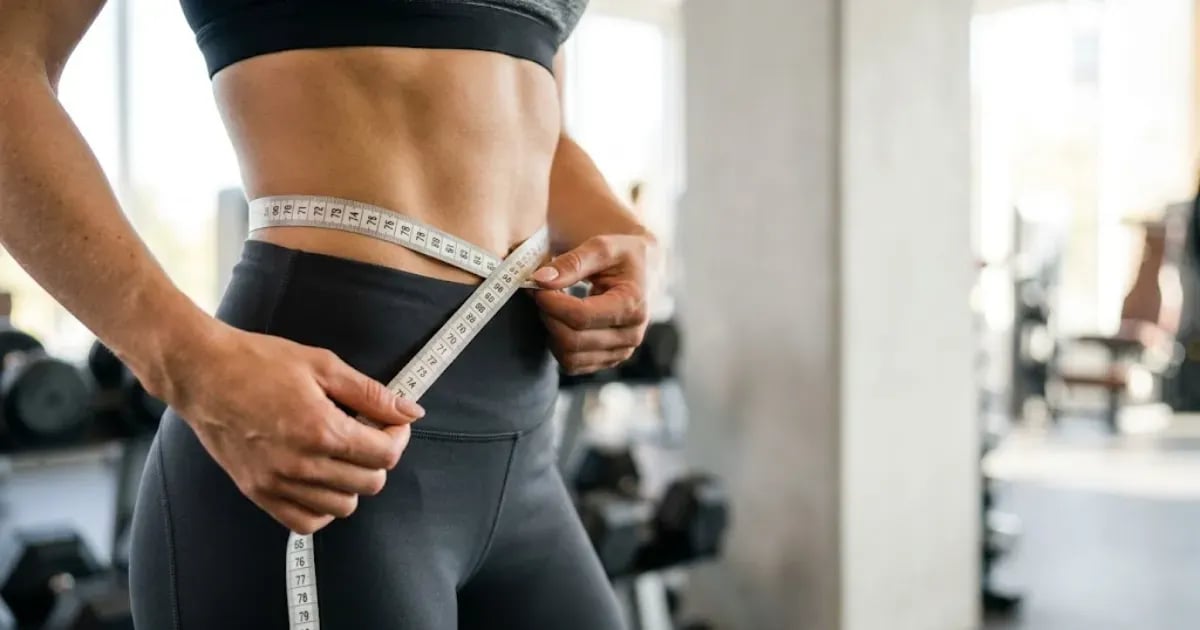
I'm Armin, and I coach people in Sarajevo, most of whom step onto a scale far too often and let one number ruin an otherwise good day. If I could remove one habit from the fitness world, it might be the obsession with bodyweight. Not because weight is meaningless, but because it's the loudest and least honest signal you have. Today I want to show you how to actually track your progress, using the things that tell the truth.
Why the Scale Lies
The scale measures one thing: how much you weigh right now, including your muscle, your fat, your water, your last meal, and even how much you drank last night. It cannot tell any of those apart. So when a client steps on and the number went up half a kilo, they panic, when in reality they might have eaten salty food, be a little dehydrated, or simply be at a normal daily fluctuation.
Here's the part that really matters. If you're doing things right, you can be losing fat and building muscle at the same time. Muscle is denser than fat, so the scale can barely move while your body visibly changes shape. I've had clients drop two clothing sizes with almost no change on the scale. If they'd trusted only that number, they would have quit a transformation that was actually working beautifully. The scale can't see your body. You can.
The Metrics That Actually Tell the Truth
Instead of one noisy number, I have my clients track a handful of honest ones. Together they paint a clear picture:
- Strength: Are your lifts going up over time? This is progress you can't fake, and it shows up in your notebook every single session.
- Measurements: A simple tape measure around your waist, hips, chest, and arms tells you where you're actually gaining and losing.
- Progress photos: Same light, same pose, same time of day. Photos reveal change the mirror hides.
- How your clothes fit: When jeans get looser at the waist but tighter on the legs, that's recomposition in action.
- Energy and mood: Feeling more capable, less sluggish, more in control. This is a real result, not a soft one.
- Sleep quality: Training and better habits should improve your sleep, and better sleep drives everything else.
Notice that most of these have nothing to do with a number on a scale, and every one of them is more useful.
Strength Is the Metric People Ignore
Of all these, strength is my favorite, and it's the one beginners overlook most. If you couldn't do a single proper push-up two months ago and now you do ten, your body has undeniably changed, no matter what the scale says. If you were pressing 12 kilos and now you press 18 for the same reps, you built muscle and capability. This is why I'm so obsessive about writing your numbers down, which I've covered before. Your training log is also your progress log.
Strength progress is honest because you can't fool it. Either the weight went up and the reps got cleaner, or they didn't. And unlike the scale, it improves in a direction that always means something good.
How Often to Measure
A big mistake I see is people measuring everything every day, then panicking at normal fluctuations. Different metrics move on different timelines. Strength you'll see every session. Measurements and photos I recommend every two to four weeks, because your body simply doesn't change fast enough to notice day to day, and checking too often just creates anxiety.
If you insist on using a scale at all, don't weigh once and react. Weigh a few mornings a week, first thing, and only look at the weekly average. One morning weight tells you almost nothing. A trend over a month tells you a lot. The rule is simple: measure often enough to see a trend, rarely enough to ignore the noise.
Staying Motivated With Real Data
Here's why all of this matters beyond just accuracy. Motivation is fragile when it rides on feelings, and feelings lie, especially on a hard day in Sarajevo when work was stressful and you slept badly. But data doesn't have bad days. When you can open your log and see that in eight weeks your bench went up, your waist went down two centimeters, your energy is steadier, and your clothes fit better, discouragement has nothing to stand on.
This is the real secret to consistency, which is my whole coaching philosophy. People don't quit because they stop progressing. They quit because they can't see the progress they're actually making. When you track the right things, you get proof, and proof keeps you going long enough for the results to become obvious to everyone.
Put It Into Practice
Start simple. This week, log your lifts every session, take a set of photos and a few tape measurements, and note your energy and sleep. In a month, do it again and compare. I promise the picture that emerges will be far more honest and more encouraging than anything the scale was telling you.
If you want help setting up a tracking system that actually motivates you instead of demoralizing you, and a training plan worth tracking, that's exactly what I do with my clients here in Sarajevo. Reach out and let's measure what matters, so your hard work finally gets the credit it deserves.
FAQ
- Why does the scale lie about progress?
- The scale measures your total body weight, not what that weight is made of. It can't tell muscle from fat from water from the food in your stomach. You can lose fat and gain muscle at the same time and see the number barely move, even though your body is transforming. That's why I never let a single weigh-in decide how a client feels.
- How often should I measure my progress?
- It depends on the metric. Strength shows up every session in your notebook, so that's constant. Measurements and photos I recommend every two to four weeks, because your body doesn't change fast enough to see meaningful differences daily. Weighing yourself, if you do it at all, is best a few mornings a week and judged as a weekly average, never one number.
- What are the best ways to track progress without a scale?
- The most reliable ones are strength in the gym, tape measurements of your waist, hips, and arms, progress photos in the same light and pose, and how your clothes fit. On top of those I have clients rate their energy, sleep, and mood, because feeling better is a real result too. Together these give a far more honest picture than any single number.
- How do progress photos help?
- Photos capture change that the mirror hides from you because you see yourself every day. When you compare a photo from today with one from two months ago, the difference is often striking even when the scale barely moved. Take them in the same spot, same light, same time of day, and same relaxed pose so you're comparing fairly.
- How do I stay motivated when progress feels slow?
- You zoom out and look at real data instead of your daily feelings. Feelings are noisy and often lie, especially on a bad day. When you can open your notebook and see that your lifts went up, your waist went down, and your energy improved over eight weeks, motivation takes care of itself. Data is the antidote to the discouragement that makes people quit.